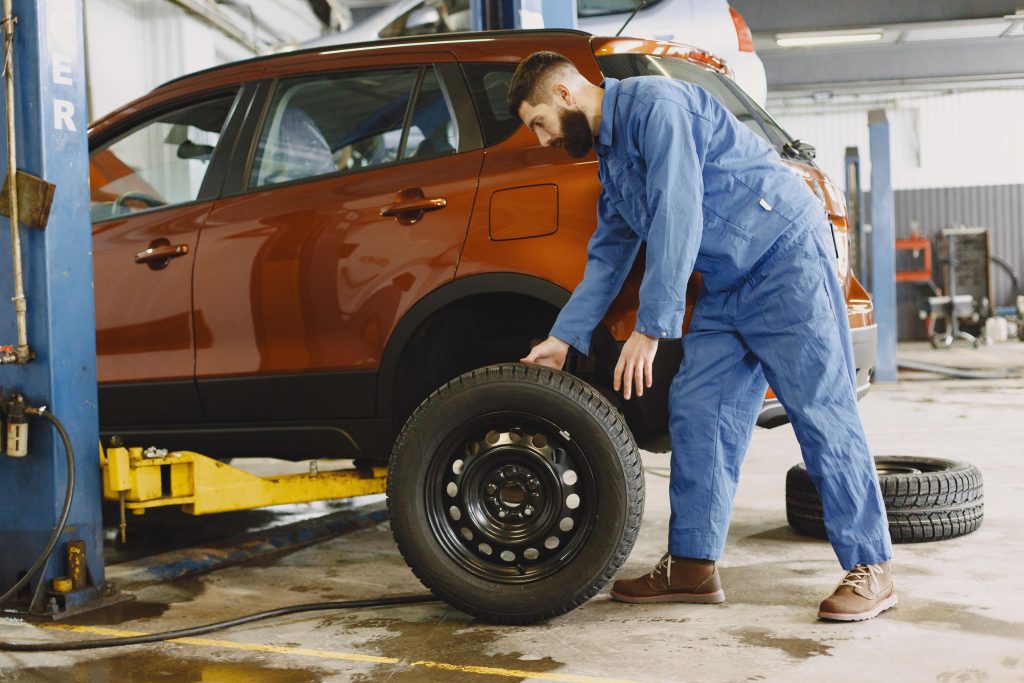
Tires are the only part of your car that actually touches the road, yet most drivers barely think about them until something goes wrong. A nail in the sidewall, a strange vibration at highway speeds, or a sudden pull to the right — that’s usually when the lightbulb goes on. By then, you’ve often lost thousands of miles of tread life that simple maintenance could have saved.
Rotation is one of those quiet habits that pays off slowly and invisibly. Nobody brags about their rotation schedule at a dinner party. But the drivers who stick to one tend to replace tires less often, spend less at the pump, and deal with fewer surprise repairs down the road.
The tricky part is figuring out which schedule actually works best for your situation. Some people swear by every oil change. Others follow their owner’s manual to the letter. Fleet managers run on entirely different timelines. Let’s weigh the real options side by side and see what the long-term payoff looks like.
Why Tread Patterns Wear So Unevenly
Your four tires do not share the same job. Front tires on a front-wheel-drive car handle steering, braking, and most of the engine’s pulling power, which means they wear down significantly faster than the rears. Rear-wheel-drive vehicles flip that equation. All-wheel-drive systems spread the load differently again, but they still produce uneven patterns over time.
Weight distribution adds another wrinkle. Engines are heavy, and most are mounted up front, so those tires carry more static load every single mile. Add in camber settings, toe alignment, and the fact that most drivers turn right more often than left in certain traffic patterns, and you end up with four tires wearing in four slightly different ways.
The point of rotation is to redistribute that wear so no single tire gives up the ghost while the other three still have miles left. According to Discount Tire, sticking to a proper rotation routine can prevent a 20 to 30 percent reduction in tire lifespan. That is a meaningful chunk of money when you consider what a full set of quality tires costs today.
Comparing the Most Common Rotation Intervals
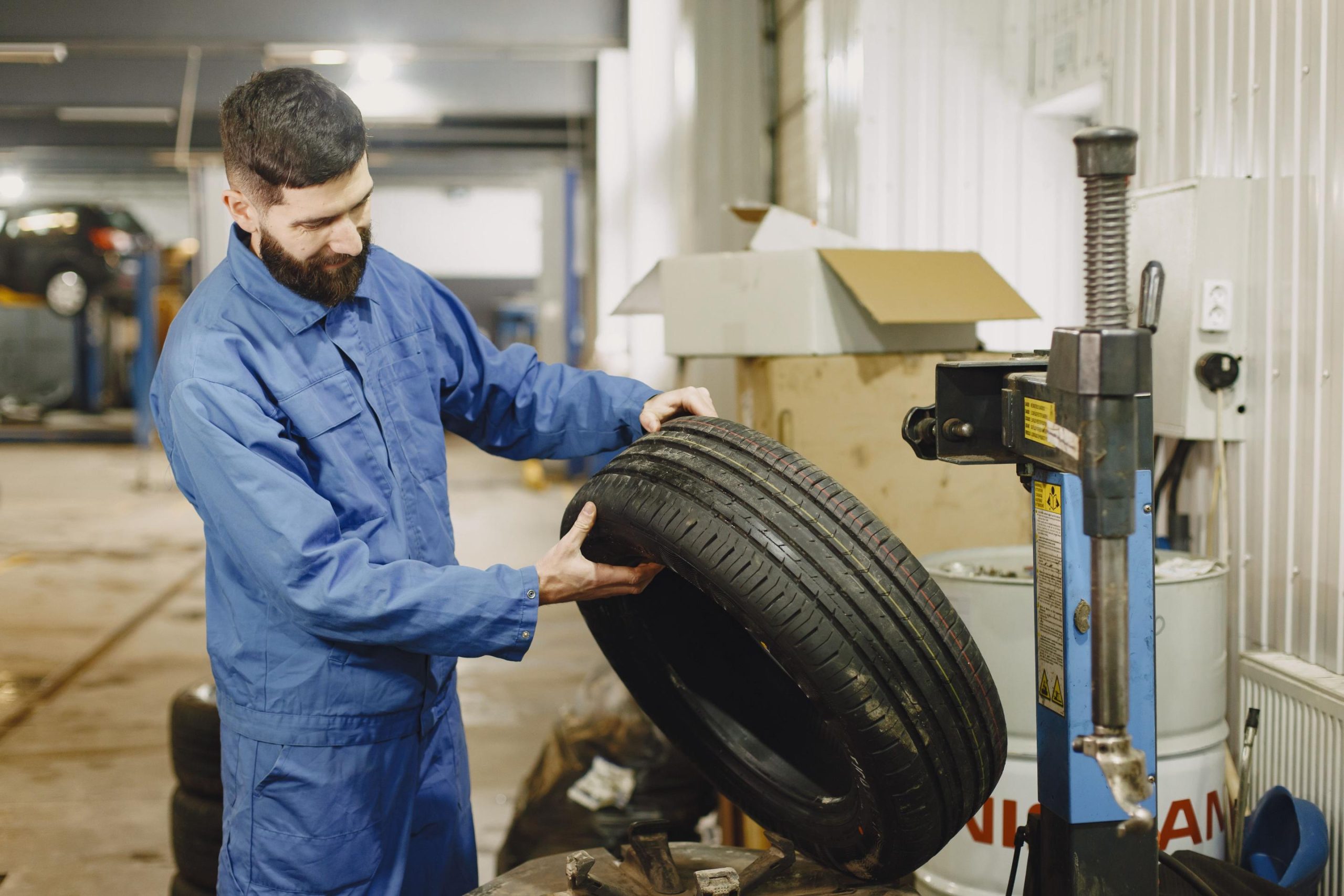
There is no single magic number, but there are a handful of schedules most drivers end up choosing between. Each has trade-offs in convenience, cost, and effectiveness. Picking the right one depends on how you drive, what you drive, and how much attention you want to give your car between major services.
Here are the schedules you will hear recommended most often:
- Every 3,000 to 5,000 miles, paired with oil changes for convenience
- Every 6,000 to 8,000 miles, matching most manufacturer guidelines
- Every 7,500 miles, aligned with modern synthetic oil intervals
- Seasonally, twice a year when swapping between summer and winter sets
- Mileage-based for fleets, typically shorter and more aggressive
- Condition-based, triggered by visible wear differences between tires
According to Michelin, most carmakers suggest rotating tires every 6,000 to 8,000 miles, which lines up neatly with modern service schedules. That window tends to be the sweet spot for everyday passenger vehicles that see a mix of commuting, errands, and occasional road trips.
When Shorter Intervals Actually Make Sense
Not every driver should stretch to the 8,000-mile mark. If you drive a high-torque sport sedan, haul heavy loads in a pickup, or spend a lot of time on twisty back roads, your front tires are going to scrub tread faster than the average commuter. Shorter rotation windows of 4,000 to 5,000 miles can keep wear balanced before it becomes irreversible.
Performance vehicles with staggered tire sizes are a different beast entirely. Front and rear tires on those cars often cannot be swapped at all, which changes the whole conversation about rotation strategy and replacement planning.
Smart Vehicle Care Habits That Extend Tire Life
Rotation on its own is only one piece of the puzzle. Pressure checks, alignment inspections, and a careful eye on tread depth all work together to squeeze every mile out of a set of tires. Skipping any one of them undermines the benefits of the others, which is why thoughtful Vehicle Care treats these tasks as a single connected routine rather than a checklist of isolated chores.
Pressure is the easiest win. Underinflated tires wear on the outer edges, overinflated tires wear in the center, and both situations cost you fuel economy at the same time. A five-dollar gauge and five minutes a month can save hundreds of dollars over the life of a tire set.
Alignment is the quieter villain. Even a small toe-in or toe-out problem will shred inner or outer edges within a few thousand miles, and no rotation schedule on earth can fix tires that are being dragged sideways down the highway. If you hit a serious pothole or curb, get the alignment checked before you rotate again.
How Professional Inspections Fit In
A good shop will do more than just move tires from one corner to another. They will measure tread depth at multiple points, check for cupping or feathering, inspect sidewalls for cracks, and look at suspension components that could be causing abnormal wear. Many drivers wonder what does an auto technician do during a routine rotation that they could not do themselves at home, and the honest answer is that trained eyes catch early warning signs most of us would miss entirely.
According to UEI, automotive technicians handle routine maintenance like fluid replacement, filter cleaning, and tire rotation as part of their everyday work. Bundling these tasks together is efficient because the car is already up on the lift and the technician is already looking at components you cannot easily reach.
DIY Versus Shop Rotations: Which Approach Wins?
Rotating tires yourself is absolutely doable if you own a decent jack, four jack stands, and a torque wrench. The job itself takes about an hour once you have done it a few times. The savings add up if you drive a lot, and you get a close look at your own tires in the process.
But there are real trade-offs. Home rotations rarely include balancing, which matters more as tires wear. You also miss the broader inspection that a shop visit includes, and most people do not have the equipment to properly torque lug nuts to specification. An over-torqued wheel can warp a brake rotor just as surely as a loose one can fall off.
Here is how the two approaches typically stack up:
- Cost per rotation: free at home versus roughly 25 to 50 dollars at a shop
- Time invested: about an hour either way, counting travel to the shop
- Tools needed: significant upfront investment for DIY, none for shop work
- Inspection quality: limited at home, thorough at a professional shop
- Balancing included: almost never at home, sometimes at a shop
- Warranty protection: some tire warranties require documented rotations
The hidden factor is documentation. Several major tire warranties require proof of regular rotation to honor tread-life guarantees, and a shop receipt is the easiest paper trail to produce when you need it.
Long-Term Benefits That Go Beyond Tread Life
Even wear is only the headline benefit. Underneath that, a disciplined rotation habit pays off in ways that ripple through the whole vehicle. Fuel economy improves because tires are rolling at consistent pressures and shapes. Braking distances stay shorter because all four contact patches are doing their share. Handling stays predictable because the car is not fighting its own wheels.
Suspension components also live longer. Uneven tires create vibrations that transmit through wheel bearings, tie rods, and shock absorbers, slowly beating them down. A car that rides smoothly protects its own undercarriage, which saves you from repair bills that dwarf anything you would spend on tires. This is one reason why careful owners pair rotations with other preventive habits like replacing worn performance parts before they fail and cascade damage elsewhere.
Fleet operators have seen these numbers up close for decades. According to OXMaint, a consistent rotation program usually extends tire life by 15 to 25 percent while also boosting the share of tires that qualify for retreading. Individual drivers do not usually think in fleet terms, but the math scales down nicely to a family sedan.
Matching the Schedule to Your Driving Style
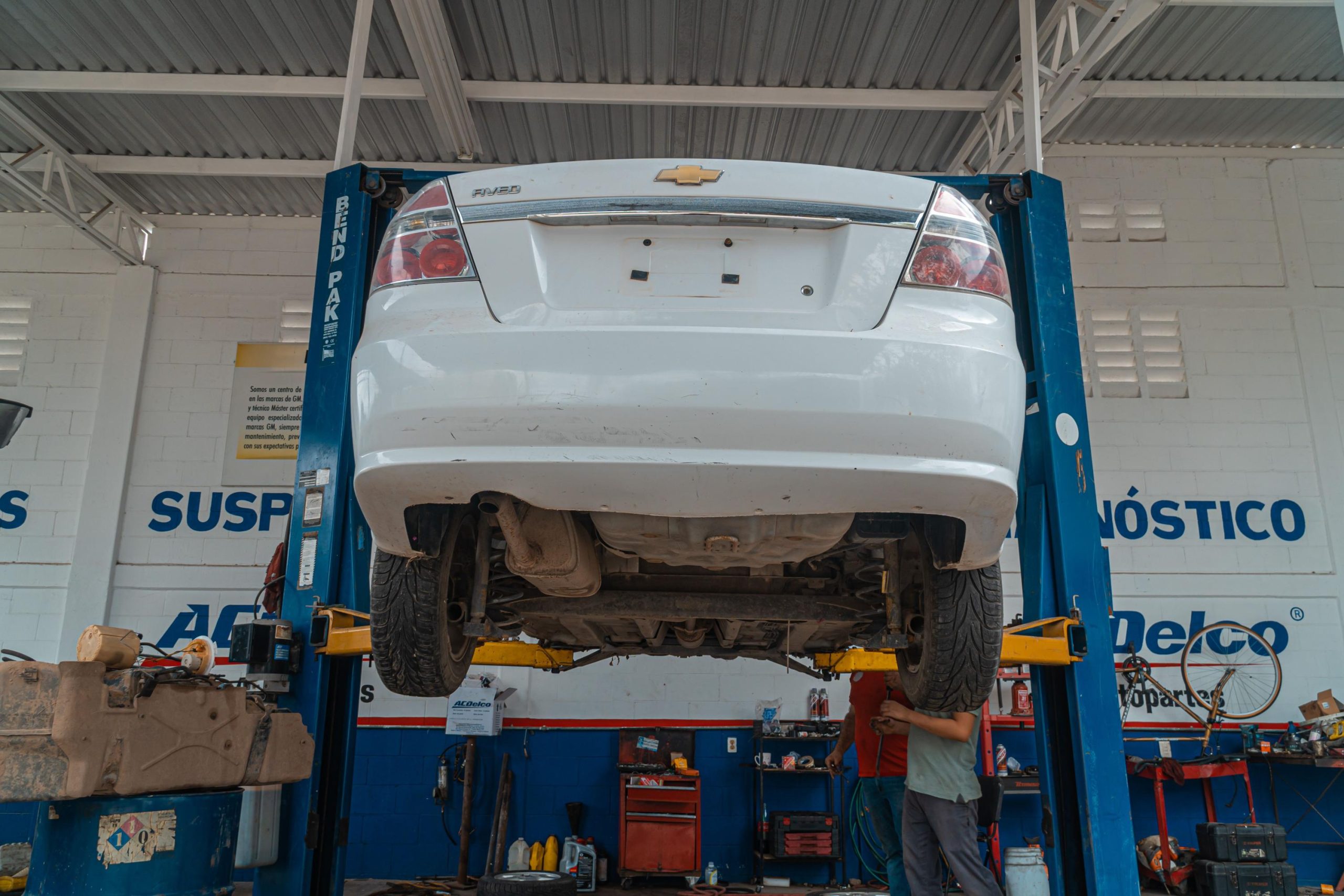
The best rotation schedule is the one you will actually follow. A perfect plan that lives in a spreadsheet nobody opens is worth less than a simple habit tied to something you already do. Oil changes, seasonal weather shifts, and birthday reminders all work as triggers if that is what gets the job done.
Think about your typical week. If you drive mostly highway miles at steady speeds, you can usually stretch to the longer end of the recommended range. If your days involve stop-and-go traffic, aggressive acceleration, or frequent short trips where tires never fully warm up, lean toward shorter intervals.
Here are a few questions worth asking yourself:
- Do I drive front-wheel, rear-wheel, or all-wheel drive?
- How many miles do I put on in an average year?
- Am I carrying heavy loads or towing on a regular basis?
- Do my routes involve a lot of turns, hills, or rough pavement?
- Have I noticed any pulling, vibration, or uneven tread already?
Your answers point you toward the right interval without much guesswork. A retiree who drives 6,000 miles a year on flat suburban roads has very different needs than a contractor piling 30,000 miles onto a loaded work truck. One rotation a year might be plenty for the first driver, while the second might need four or five to stay ahead of wear.
Building a Simple Tracking System
Memory is unreliable when it comes to maintenance milestones. A month slips by, then three, and suddenly you cannot remember whether the last rotation happened in spring or last fall. A small notebook in the glovebox, a note app on your phone, or a sticker on the windshield from your last shop visit all solve the same problem in different ways.
Whatever system you pick, record the date, the odometer reading, and which tire moved to which position. That last detail matters because rotation patterns vary. Front-wheel-drive cars often use a forward cross, rear-wheel-drive setups favor a rearward cross, and directional tires can only move front to back on the same side. Writing it down takes ten seconds and prevents confusion six months later.
Conclusion
Tire rotation is not glamorous work, but it is one of the highest-leverage habits a driver can build. A few dollars and an hour of attention every several thousand miles translate into tires that last noticeably longer, fuel bills that creep up more slowly, and a car that feels stable and predictable year after year. The drivers who treat rotation as non-negotiable tend to be the same ones who get 70,000 miles out of tires rated for 50,000.
The right interval depends on your vehicle, your driving style, and whether you prefer tying the task to oil changes or tracking it separately. Shorter intervals suit performance cars, heavy haulers, and aggressive drivers. Longer intervals work fine for steady commuters on well-maintained roads. The exact number matters less than the consistency of showing up and getting it done.
Pair rotation with regular pressure checks, timely alignments, and a willingness to let a trained set of eyes look things over now and then, and you have built a maintenance rhythm that protects your tires, your suspension, and your wallet all at once. That is the quiet magic of preventive work: it stops problems you will never see, and it leaves you with a car that just keeps running the way it should.