
When your car starts acting strange, maybe it hesitates when you press the gas, sputters at a stoplight, or lights up that dreaded orange check engine symbol, it can feel like a mystery you have no hope of solving. The truth is, modern engines are complex, and figuring out what is wrong takes a mix of experience, specialized tools, and a methodical approach. That is where trained professionals step in.
Think of these specialists as part detective, part doctor for your vehicle. They listen to what the car and driver are telling them, run tests, and gather clues until the real problem reveals itself. For a beginner, the whole process can seem like wizardry, but it actually follows a logical sequence that almost anyone can understand once it is broken down into simple steps.
In this explainer, we are going to walk through how these professionals go from a vague complaint like “my car runs funny” to a clear, fixable answer. You will see the tools they use, the questions they ask, and the thinking that guides every decision. By the end, you will have a much better grasp of what happens behind the garage door when your car goes in for a checkup.
Starting With the Conversation and a Test Drive
Before a wrench ever touches the engine, the diagnostic process starts with talking. A technician will ask the owner a series of questions about when the issue happens, how often, under what conditions, and whether anything recent has changed. A rough idle when cold is a very different clue than a stumble that only happens at highway speed. Good information early on saves hours of guessing later.
After the chat, the next step is usually a test drive. The technician wants to feel the problem for themselves, because a driver’s description does not always match what the car is actually doing. They pay attention to sounds, smells, vibrations, and how the engine responds to throttle inputs. A short drive can confirm symptoms or uncover new ones the owner never noticed.
Simple visual checks also happen very early. According to AutoCodes, a significant share of drivability problems can be spotted through basic inspection alone, with somewhere between 10 and 30 percent of issues found this way. That is why a careful look under the hood for cracked hoses, loose wires, or fluid leaks is never skipped, even on high tech vehicles.
Plugging Into the Car’s Computer Brain
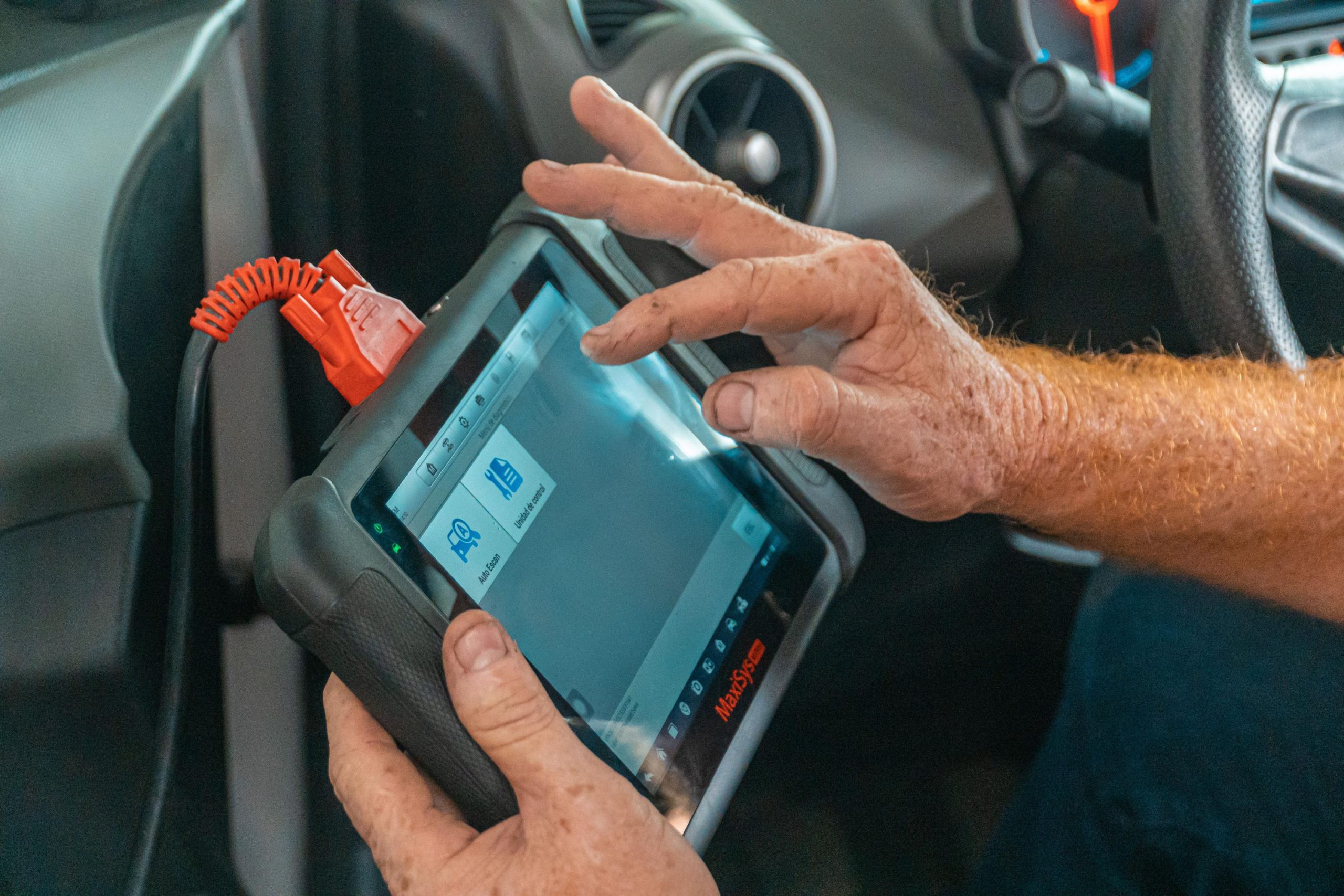
Every modern car has an onboard computer system that constantly monitors how the engine is running. When something falls outside the normal range, the computer records a trouble code and often turns on the check engine light. Reading these codes is one of the first technical steps in a diagnosis.
The tool used for this is called a scan tool, which plugs into a port usually located under the dashboard. Once connected, it pulls up the stored codes along with live data showing fuel trims, sensor readings, engine temperature, and more. According to the U.S. Bureau of Labor Statistics, repair professionals regularly rely on computerized diagnostic equipment to pinpoint problems rather than guessing their way through a repair.
A common misunderstanding deserves to be cleared up here. The code does not tell the technician exactly which part has failed. It only points to a system or circuit where the computer noticed something off. A code for a lean fuel mixture, for example, could be caused by a vacuum leak, a bad sensor, a weak fuel pump, or a clogged injector. The scan tool opens the door, but the real work of narrowing things down is still ahead.
What Live Data Really Shows
Live data is where a skilled technician earns their reputation. By watching sensor values in real time, they can see how the engine reacts under different conditions. An oxygen sensor that never changes its reading, a mass airflow sensor giving numbers that do not match engine speed, or a coolant temperature stuck at an impossible value all tell a story. Reading that story takes training and practice.
Hands-On Testing With Specialized Tools
Once the scan tool has pointed in a general direction, hands-on testing confirms what is really wrong. This is where a toolbox full of specialized gear comes into play. A good diagnostician does not replace parts based on guesses, because that approach wastes money and often leaves the original problem untouched.
Several instruments show up repeatedly during engine performance work:
- Compression gauges to check whether each cylinder is sealing properly
- Fuel pressure testers to verify the pump and regulator are delivering the right pressure
- Vacuum gauges that reveal intake leaks or exhaust restrictions
- Multimeters for measuring voltage, resistance, and continuity in sensors and wiring
- Smoke machines that push visible vapor through the intake to expose hidden leaks
- Infrared thermometers for spotting overheating components or stuck valves
According to Texas Career Check, service professionals commonly use infrared engine analyzers, compression gauges, and computerized diagnostic devices along with careful road testing to evaluate how well parts and systems are working. Each tool answers a specific question, and the answers add up to a diagnosis.
Why Order of Testing Matters
An experienced technician does not grab tools at random. They test the fastest, cheapest, and most likely causes first. Checking a spark plug takes minutes, while pulling an intake manifold to inspect injectors takes hours. Smart sequencing keeps repair costs reasonable and gets the car back on the road sooner.
Understanding the Role of the Modern Technician
The job has changed enormously over the last few decades. If you are curious about what does an auto technician do on a daily basis, the honest answer is that it is now as much about electronics and software as it is about mechanical work. Cars contain dozens of networked computers, and diagnosing them demands skills closer to those of an IT professional than a traditional grease monkey.
Training programs reflect this shift. According to UTI, drivability specialists diagnose engine efficiency problems using electronic testing equipment and onboard diagnostics, which is a very different skill set than what was needed on carbureted engines from forty years ago. The knowledge base keeps expanding as manufacturers roll out new systems every model year.
That is why an Automotive Tech today has to commit to constant learning. Manufacturer training courses, online forums, service bulletins, and wiring diagrams are all part of a working day. A pro who stops learning quickly falls behind, because the vehicles rolling into the shop keep getting more complex.
How a Technician Thinks Through a Tough Problem
Not every engine issue gives up its secrets easily. Intermittent problems, in particular, can frustrate even seasoned professionals. When the usual checks come back clean, a technician has to slow down and think carefully about what is really going on inside the engine.
A structured thought process usually includes several steps:
- Reviewing freeze frame data captured when the fault last occurred
- Comparing live readings to known good values from service information
- Isolating one variable at a time instead of changing several things at once
- Simulating conditions, such as warming the engine or applying load, to reproduce the fault
- Checking technical service bulletins for known issues on that model
- Consulting shop databases and manufacturer repair networks
The Value of Patience
Tough diagnostics reward patience. Jumping to conclusions and throwing parts at a problem almost always costs the customer more in the long run. A calm, methodical approach, even when the shop is busy, is what separates excellent diagnosticians from average ones. Many tricky engine problems turn out to be something small, like a corroded ground wire or a cracked vacuum line, that only shows up when every obvious cause has been ruled out.
Choosing the Right Repair After the Diagnosis
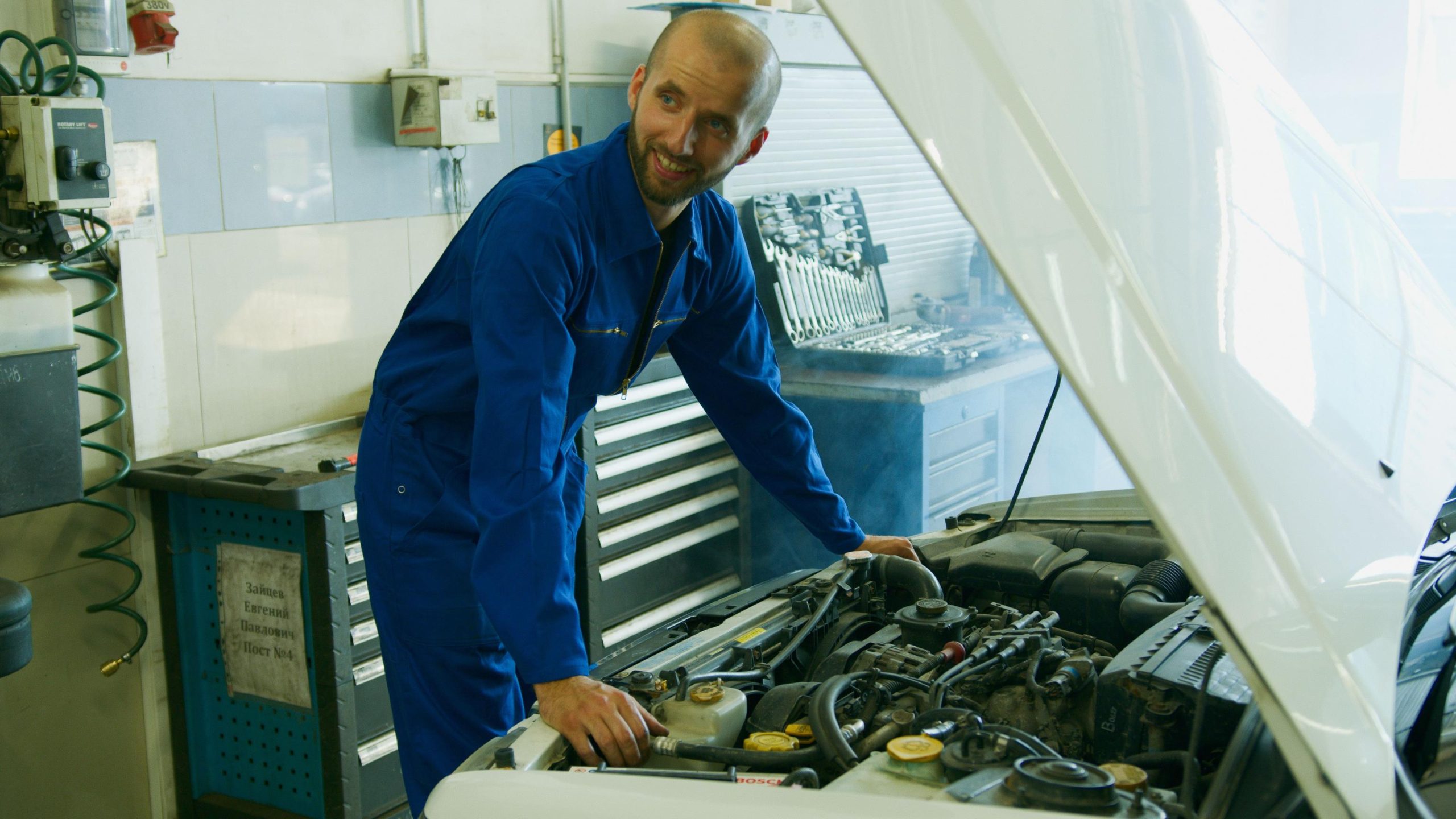
Once the root cause has been identified, the next decision is how to fix it. Sometimes that means replacing a specific sensor or cleaning a component. Other times it means addressing wear and tear across a whole system, or recommending upgrades to improve reliability. The diagnostic work does not end at finding the fault, because the repair plan has to make sense for the vehicle, the owner’s budget, and how the car is used.
This is where good communication becomes just as important as technical skill. The best shops walk the customer through what was found, what caused it, and what the options look like. Repairs can range from quick fixes to significant work, especially when a diagnosis uncovers related issues, such as those that come up with performance upgrades or deferred maintenance that has started to catch up with the engine.
Clear estimates, honest timelines, and realistic expectations matter. A professional diagnosis is only valuable if it leads to a repair that actually solves the problem without creating new ones.
Conclusion
Diagnosing an engine performance problem is a blend of listening, looking, testing, and thinking. It starts with a conversation and a test drive, moves through computer scans and live data, and finishes with hands-on testing using specialized tools. Each step narrows down the possibilities until the real cause becomes clear.
What might look like magic from the waiting room is actually a disciplined process built on training, experience, and a commitment to doing the job right. The tools have changed over the years, and the vehicles have become more complex, but the core approach remains the same. Gather information, rule out the obvious, and keep digging until the engine gives up its secret.
Thenext time your car does something odd, you will have a better sense of what is happening when you hand over the keys, and why that patient, step-by-step work in the service bay is worth the time it takes.