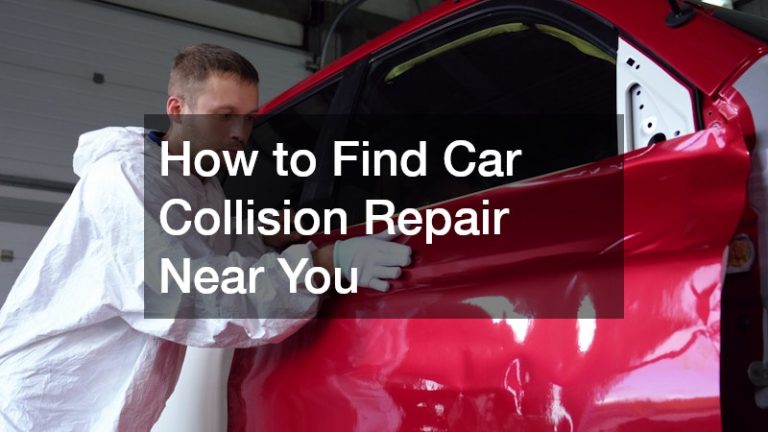
Aftermarket vehicle upgrades offer drivers the opportunity to personalize their cars, trucks, and SUVs while improving functionality, comfort, performance, and appearance. Whether you’re interested in protecting your vehicle from everyday wear, adding convenient features, or enhancing its overall capabilities, the right modifications can make a noticeable difference in your driving experience.
From exterior improvements to performance-related modifications, there are numerous ways to create a vehicle that better suits your lifestyle. This guide explores ten important areas of aftermarket customization, offering practical advice to help you make informed decisions, avoid unnecessary expenses, and get the most value from your investment.
Make Your Vehicle More Accessible With the Right Mobility Modifications
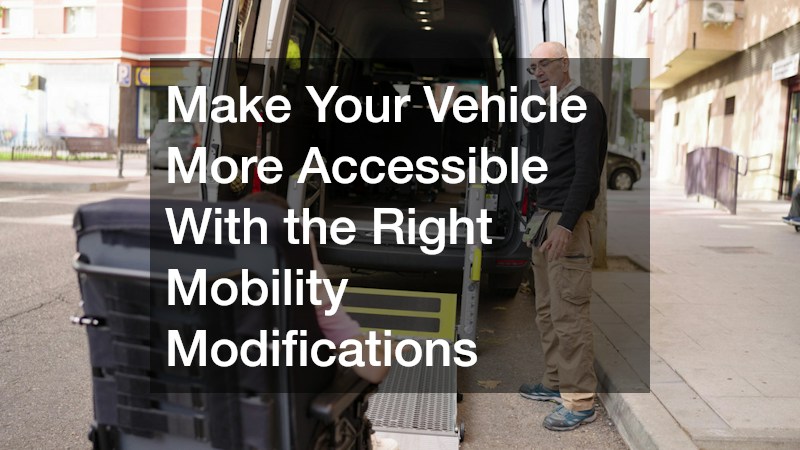
Vehicle accessibility modifications can make everyday transportation more convenient and comfortable for individuals who use mobility devices. The right equipment can reduce physical strain, simplify loading procedures, and support greater independence. However, selecting an appropriate system requires careful consideration of both the vehicle and the user’s specific needs.
A car wheelchair platform can provide a practical solution for loading and transporting certain mobility devices. Before purchasing equipment, it’s important to confirm that the system is compatible with the vehicle’s dimensions, weight limits, and intended use.
Consider these factors when evaluating accessibility upgrades:
- Weight capacity: Choose equipment designed to safely support the mobility device and any additional required load.
- Vehicle compatibility: Confirm that the installation won’t interfere with essential vehicle components or safety features.
- Ease of operation: Look for controls and mechanisms that are convenient for the intended user.
- Secure transportation: Ensure the equipment includes appropriate restraints and locking mechanisms.
Professional installation is especially important for modifications involving electrical systems, structural components, or vehicle accessibility. Regular inspections and maintenance can also help ensure that the equipment continues operating safely and reliably.
Transform Your Vehicle’s Appearance Without Committing to a Permanent Paint Job
Changing your vehicle’s exterior appearance doesn’t necessarily require an expensive or permanent paint job. Modern customization options allow drivers to experiment with different colors, textures, and finishes while maintaining flexibility for future changes.
Vehicle wrapping has become a popular alternative to traditional painting because it allows owners to dramatically change a vehicle’s appearance using specialized vinyl films. Depending on personal preferences, drivers can choose glossy, matte, satin, metallic, or textured finishes.
Before choosing an exterior design, consider several important factors:
- Full versus partial coverage: Full coverage creates a complete transformation, while partial designs can highlight specific areas.
- Material quality: Premium films generally offer better durability, color consistency, and resistance to environmental exposure.
- Surface preparation: Clean, properly maintained paint provides a better foundation for installation.
- Maintenance requirements: Gentle washing and appropriate cleaning products help preserve the finish.
Professional installation can help prevent bubbling, wrinkles, and premature peeling. It’s also important to understand that vinyl films won’t correct existing paint damage and may not protect against every type of impact.
Improve Driving Comfort and Privacy by Choosing the Right Window Treatments
Window treatments can improve the driving experience by reducing glare, limiting solar heat entering the cabin, and providing additional privacy. They can also contribute to a more polished exterior appearance when selected carefully.
Professional window tint shops typically offer several film options, each with different performance characteristics. Dyed films are often more affordable, while carbon and ceramic films may provide improved heat rejection and durability.
When comparing window treatments, focus on the following considerations:
- Heat rejection: Look for products that reduce solar heat without unnecessarily darkening the windows.
- UV protection: Select films designed to block a substantial portion of harmful ultraviolet radiation.
- Visibility: Maintain clear outward visibility during nighttime driving and poor weather.
- Legal requirements: Verify local restrictions on tint darkness, reflectivity, and permitted window coverage.
- Warranty coverage: Ask about protection against bubbling, discoloration, and installation defects.
After installation, follow the recommended curing period before cleaning the glass or operating affected windows.
Protect Your Truck’s Undercarriage From Rust and Environmental Damage
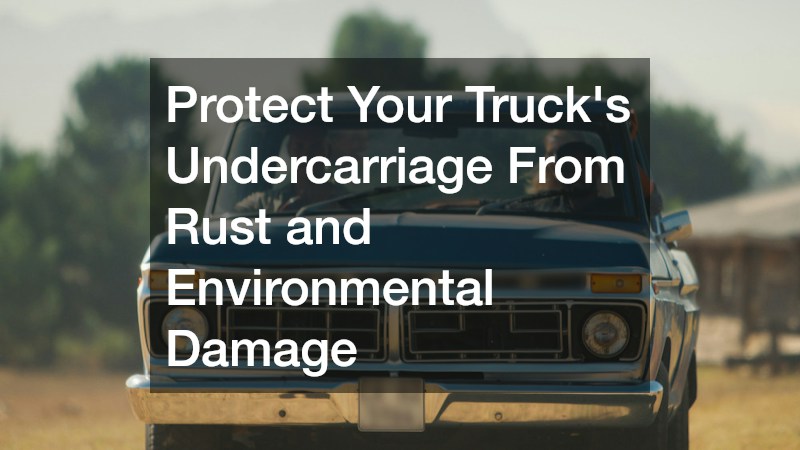
Trucks frequently encounter challenging conditions, including road salt, moisture, mud, gravel, and construction debris. Over time, these materials can contribute to corrosion beneath the vehicle, potentially affecting important structural and mechanical components.
A truck undercoating service can help protect vulnerable underbody surfaces by applying specialized corrosion-resistant treatments. These products are particularly useful for vehicles regularly exposed to winter road treatments or wet driving conditions.
Before scheduling protective treatment, consider these important steps:
- Inspect existing corrosion: Identify rust or damaged areas that may require attention before applying protective materials.
- Clean the undercarriage: Remove accumulated dirt, salt, and debris to support proper treatment.
- Compare coating options: Rubberized, wax-based, and oil-based products offer different advantages and maintenance requirements.
- Check application areas: Ensure protective products won’t interfere with drainage openings, moving components, or heat-sensitive parts.
- Plan future inspections: Monitor treated surfaces for wear, damage, or trapped moisture.
Not every coating is appropriate for every vehicle. Some products can conceal existing corrosion if applied incorrectly.
A reputable professional can evaluate the truck’s condition and recommend suitable protection. Combining proper treatment with routine washing and inspections can help reduce long-term corrosion problems.
Preserve Your Vehicle’s Paint and Shine With Long-Lasting Surface Protection
Maintaining a vehicle’s exterior finish requires more than occasional washing. Sunlight, environmental contaminants, road grime, and improper cleaning techniques can gradually affect paint appearance and make surfaces more difficult to maintain.
Professional ceramic coating services offer an additional layer of surface protection through specialized products that bond with properly prepared automotive finishes. These coatings create a water-repellent surface that can make dirt and contaminants easier to remove.
Before investing in paint protection, understand the following considerations:
- Paint preparation: Existing swirl marks and imperfections may require correction before treatment.
- Product durability: Coating longevity varies depending on the formulation, application quality, and maintenance.
- Cleaning requirements: Use appropriate shampoos and gentle washing techniques to preserve the protective layer.
- Environmental exposure: Frequent outdoor parking and harsh weather may increase maintenance needs.
- Realistic expectations: Coatings don’t make paint completely scratch-proof or prevent damage from flying debris.
Professional application can provide more consistent coverage, particularly when surface preparation is extensive.
Although protective coatings require an initial investment, they may reduce cleaning effort and help maintain a vehicle’s appearance. Regular maintenance remains essential for achieving the best long-term results.
Increase Your Truck’s Storage Capacity While Keeping Cargo Protected
Truck beds provide valuable hauling space, but leaving equipment and belongings exposed can create problems during rain, snow, or extended outdoor storage. Adding an enclosed storage solution can make a truck more practical for work, travel, and recreational activities.
Truck toppers provide covered cargo space while helping protect belongings from weather exposure. They are available in several materials and configurations, making it possible to select an option that suits different transportation needs.
When comparing available designs, consider these features:
- Construction materials: Fiberglass provides a finished appearance, while aluminum options may offer practical advantages for commercial applications.
- Access points: Side windows, rear doors, and opening panels can improve access to stored equipment.
- Security features: Locking mechanisms can discourage unauthorized access to valuable belongings.
- Interior clearance: Ensure sufficient space for frequently transported tools, luggage, or recreational gear.
- Weight considerations: Check how the added structure affects payload capacity and vehicle handling.
Proper installation is essential for maintaining a secure fit and minimizing water intrusion.
Owners should also inspect weather seals, mounting hardware, and locking components periodically. Choosing the right design can improve cargo organization and make a truck more useful without compromising everyday convenience.
Prevent Bed Damage and Maintain Your Truck’s Resale Appeal
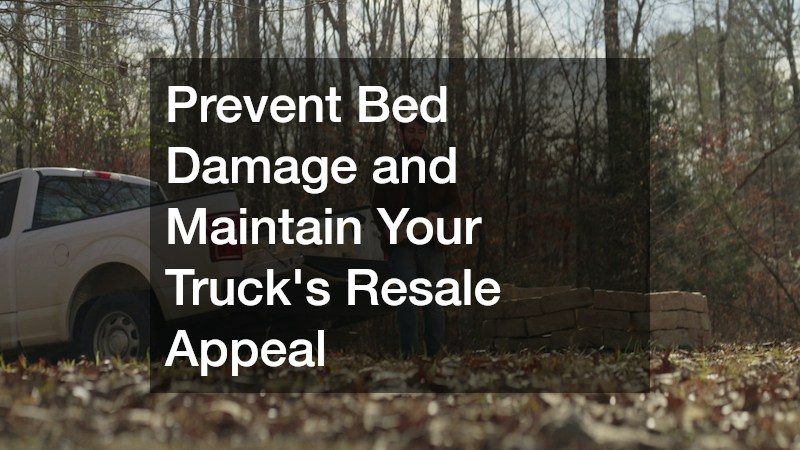
Truck beds experience considerable wear from transporting tools, construction supplies, furniture, and recreational equipment. Repeated loading and unloading can scratch painted surfaces, expose bare metal, and create conditions that encourage corrosion.
Installing truck bed liners can help protect these surfaces while providing additional traction for transported materials. Several options are available, each offering different advantages depending on how frequently the truck is used for hauling.
Common protective options include:
- Spray-in protection: Creates a textured coating that follows the bed’s contours and provides a relatively permanent protective surface.
- Drop-in protection: Uses a molded insert that can be replaced, although moisture and debris may accumulate underneath.
- Removable mats: Offer a more affordable solution for protecting the bed floor from everyday wear.
- Textured surfaces: Can help reduce cargo movement, although loads still require proper securement.
Before selecting a product, evaluate its durability, installation requirements, maintenance needs, and compatibility with existing equipment.
Regular cleaning remains important regardless of the protective material used. Removing trapped debris and inspecting for damage can help prevent hidden corrosion.
Choose Practical Add-Ons That Improve Your Truck’s Everyday Functionality
Customizing a truck isn’t limited to changing its appearance. Many upgrades are designed to improve convenience, cargo management, accessibility, and overall usefulness. The most effective additions address specific needs rather than simply following popular trends.
There are numerous truck accessories available for drivers who use their vehicles for work, recreation, towing, or daily transportation. However, selecting compatible products is essential for avoiding unnecessary expenses and potential performance problems.
Consider these practical upgrades:
- Running boards: Make entering and exiting taller vehicles easier.
- Cargo organizers: Keep tools, emergency supplies, and smaller equipment securely arranged.
- Tonneau covers: Provide bed coverage while maintaining a lower exterior profile.
- Lighting improvements: Increase visibility around work areas when properly installed and legally compliant.
- Towing equipment: Support trailer connections when matched to the vehicle’s rated capabilities.
Before purchasing any addition, verify fitment, installation requirements, and potential effects on vehicle weight or electrical systems.
Avoid assuming that every modification increases resale value. Some buyers prefer original equipment, particularly when aftermarket components require specialized maintenance.
Improve Handling, Traction, and Ride Quality With the Right Tire Selection
Tires play an essential role in vehicle safety, influencing braking performance, steering response, ride comfort, and traction. Selecting appropriate replacements can improve everyday driving conditions while supporting the vehicle’s intended capabilities.
Finding the best new tires requires more than comparing prices or choosing an aggressive tread pattern. Drivers should evaluate their local climate, typical road conditions, driving habits, and manufacturer specifications.
Important factors to consider include:
- Tire category: All-season, winter, all-terrain, and performance tires are designed for different conditions.
- Correct sizing: Follow manufacturer-approved specifications unless a qualified professional confirms an alternative is appropriate.
- Load capacity: Select tires capable of safely supporting the vehicle and its expected cargo.
- Tread performance: Consider wet traction, road noise, expected tread life, and handling characteristics.
- Seasonal conditions: Dedicated winter tires may provide better traction in sustained cold and snowy conditions.
After installation, maintain recommended inflation pressures and follow appropriate rotation schedules.
Wheel alignment and suspension condition also influence tire wear. Uneven tread patterns, vibration, or changes in steering behavior may indicate underlying problems.
Maintain Exhaust System Performance Before Making Sound or Performance Modifications
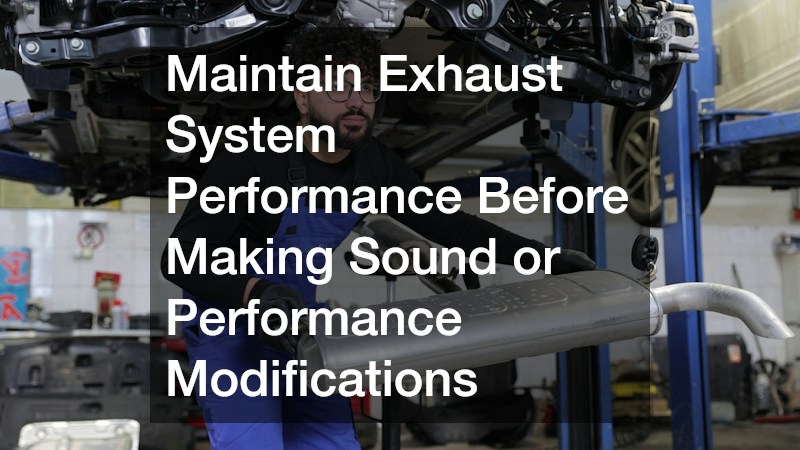
Exhaust systems help direct combustion gases away from the vehicle, control noise, and support proper engine operation. Damaged components can produce excessive noise, unpleasant odors, and potential safety concerns that should be addressed promptly.
Before considering performance-oriented exhaust modifications, drivers should evaluate the condition of their existing system. Muffler repair may resolve certain problems involving loose connections, minor damage, or deteriorating components, although extensive corrosion can make replacement more appropriate.
Watch for these common warning signs:
- Unusual exhaust noise: Louder operation, rattling, or hissing may indicate damaged components.
- Visible corrosion: Rusted pipes, connections, or mufflers may eventually develop leaks.
- Exhaust odors: Unusual fumes, especially inside the cabin, require immediate attention.
- Changes in performance: Exhaust restrictions or leaks may contribute to operating problems.
- Loose components: Damaged hangers can allow exhaust parts to shift or contact surrounding surfaces.
Aftermarket exhaust systems may change vehicle sound and, in certain applications, affect performance. However, modifications should comply with emissions regulations and local noise requirements.
Make Smart Upgrades That Improve Your Driving Experience
Aftermarket vehicle customization offers countless opportunities to improve appearance, comfort, performance, accessibility, and everyday functionality. However, achieving the best results requires thoughtful planning and an understanding of how different modifications affect the vehicle.
Rather than purchasing upgrades based solely on appearance or popularity, focus on improvements that address your driving habits and practical needs. Consider product durability, installation quality, maintenance requirements, and potential effects on safety or long-term value.
Working with experienced professionals can also help prevent compatibility problems and ensure modifications are installed correctly. Regular inspections and proper maintenance will further protect your investment and keep important systems functioning as intended.