Operating a commercial vehicle fleet requires balancing tight operational margins, evolving technology, stringent regulatory frameworks, and unpredictable road hazards. Whether managing a small regional delivery team or an enterprise-scale logistics network, fleet operators are under constant pressure to maximize uptime, control operational costs, protect corporate capital, and maintain strict safety standards.
Modern fleet management is no longer just about tracking mileage and scheduling occasional oil changes. Today, it demands an integrated, data-driven approach that encompasses predictive maintenance, robust risk mitigation strategies, comprehensive legal safeguards, aesthetic preservation, and sustainable lifecycle asset recovery. This comprehensive guide explores actionable, expert strategies designed to optimize your commercial operations, reduce liabilities, and keep your vehicles moving safely and profitably.
1. Implementing Predictive Maintenance and Sensor-Driven Diagnostics
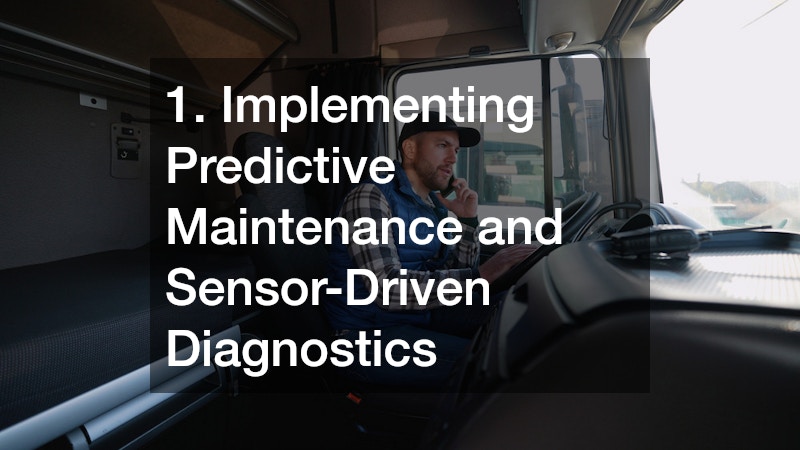
The traditional approach to vehicle upkeep involves a reliance on fixed mileage intervals for routine inspections and maintenance tasks. Alternatively, some operators react only when unexpected roadside breakdowns occur. Both strategies are inherently inefficient and often lead to high costs. Reactive repairs are usually significantly more expensive than planned maintenance activities. These costs arise from emergency towing fees, the need for expedited shipment of parts, and the inevitable downtime when drivers lose valuable hours and miss critical delivery windows.
By utilizing technology such as OEM-embedded telematics and onboard diagnostic monitors, fleet managers have the capability to continuously analyze a range of critical vehicle health metrics. These metrics may include thermal trends, indicating the operating temperatures of different vehicle components; engine loads, determining how much demand is placed on the engine; exhaust backpressure, which can reveal issues in the exhaust system; and diagnostic trouble codes that offer specific insights into malfunctions. Having access to this constant stream of real-time data allows maintenance teams to transition seamlessly into a predictive maintenance model.
Equally important to this modernization in maintenance practices is the establishment of clear and specialized repair workflows catered to the distinct types of assets within a fleet’s inventory. Here are some key considerations and strategies:
- Tailor Workflows to Asset Specifics: Standard delivery vans—often used for more straightforward delivery tasks—have distinct maintenance requirements compared to specialized multi-axle tractors or custom passenger units used for heavy-duty or specialized services. Establishing customized diagnostic pipelines for each vehicle type ensures that technicians can accurately address the unique mechanical strains each vehicle class experiences. This specificity leads to more effective maintenance and optimized vehicle performance.
- Integrate Specialty Upkeep: Operations involving complex vehicles such as heavy-duty mobile command units or sleeper cabs require coordination with specific vendors who have the expertise in servicing intricate systems. By contracting specialized facilities familiar with complex electrical systems and general RV repair, all aspects of the vehicle—including specialized interiors and high-voltage auxiliary power units—are maintained. This comprehensive approach ensures that not only standard mechanical chassis components are serviced but also the unique features of these specialized vehicles.
- Manage High-Turnover Spare Inventory: It is essential to prevent stockouts of crucial replacement parts such as brake pads, filters, belts, and sensors. These components frequently need replacement due to regular wear and tear. Maintaining strong contracts with regional vendors ensures quick delivery times, which minimizes downtime in repair garages, allowing repairs and maintenance work to proceed without unnecessary delays.
- Support Driver Comfort Equipment: In long-haul operations, ensuring the uninterrupted functionality of auxiliary equipment is vital. Providing sleeper cabs with durable, quality camper products guarantees that auxiliary heaters, refrigerators, and power inverters remain fully operational. This attention to detail significantly contributes to improved driver retention and reduces fatigue-related operational errors, which could lead to delays and safety issues on the road.
Integrating predictive diagnostics into fleet management not only helps reduce major component failures but also extends the overall longevity of vehicle engines. Furthermore, it minimizes the administrative complexity and associated friction of managing unplanned breakdowns, leading to a more efficient and cost-effective operation.
2. Establishing Rigorous Risk Management and Post-Accident Protocols
Despite rigorous maintenance and training, commercial vehicles operate in high-risk environments. Roadway incidents are an unfortunate reality of the transportation industry. The financial difference between a manageable insurance claim and a devastating liability loss lies in how rapidly and professionally your organization responds in the immediate aftermath of a collision.
When an accident occurs, every second counts. Establishing a standardized, multi-step incident protocol empowers drivers and safety managers to take control of the situation immediately:
- Prioritize Scene Safety and Communication: Drivers must secure the scene, deploy warning devices (triangles or flares), check for injuries, and report the event immediately to dispatch.
- Capture Comprehensive Evidence: Utilize onboard dual-facing camera footage, collect telematics data snapshots, capture high-resolution photos of vehicle placement and road conditions, and secure third-party witness statements.
- Notify Legal Counsel Promptly: Engage legal experts before making formal statements to third-party insurers or opposing legal representatives.
The legal landscape surrounding commercial transport collisions is notoriously complex. In standard multi-vehicle incidents, partnering with a knowledgeable accident lawyer allows your company to navigate property damage disputes, properly value vehicle depreciation, and push back against exaggerated or fraudulent claims filed by third parties.
For severe collisions involving heavy transport units, specialized legal defense is critical. Catastrophic highway accidents involving high-gross-weight vehicles trigger intense scrutiny from state regulators and federal agencies. In these high-stakes scenarios, retaining a dedicated truck accident attorney ensures that your organization’s electronic logging device data, driver qualification files, and maintenance logs are appropriately protected and presented. These specialized attorneys understand Federal Motor Carrier Safety Administration rules and protect your company against nuclear verdicts.
Finally, managing the human element of a crash requires precise execution. When drivers or passengers suffer injuries, working with experienced injury lawyers helps navigate complex workers’ compensation claims and personal injury lawsuits. Having a designated legal network ready to step in reduces financial losses, protects company reputation, and ensures fair treatment for injured employees.
3. Prioritizing Driver Compliance, Safety Standards, and Legal Safeguards
While advanced vehicles and telemetry form the backbone of a modern fleet, driver behavior remains the single greatest variable influencing operational safety and bottom-line profitability. Harsh braking, rapid acceleration, speeding, and distracted driving dramatically increase fuel consumption, accelerate mechanical wear, and escalate crash risks.
A proactive fleet safety program relies on transparency, continuous feedback, and enforceable safety policies. Installing telematics systems equipped with driver scorecards enables safety directors to track unsafe habits in real time. Rather than using telematics purely for punishment, top-performing fleets use this data to reward safe driving, offer targeted coaching, and foster a safety-first workplace culture.
However, safety management also requires strict enforcement and comprehensive legal contingency planning to handle off-duty or on-duty legal challenges:
- Implement Zero-Tolerance Impairment Policies: Enforce clear rules regarding alcohol and substance use. Regular, randomized testing keeps your operation compliant with federal regulations and protects public safety.
- Address Legal Infractions Swiftly: If a driver faces allegations of impaired driving, securing qualified DUI attorneys is critical to protect both the driver’s administrative rights and the business’s commercial operating authority. Prompt legal review clarifies whether the event impacts commercial driver’s license status and determines the appropriate employment action.
- Establish Rapid Release Protocols: In the event an operator is detained due to jurisdictional disputes, minor traffic warrants, or unexpected roadside misunderstandings during interstate transit, access to a reliable bail bond provider ensures the driver is released quickly, minimizing asset abandonment and cargo delays.
- Automate Inspection and Log Compliance: Transition all paper-based processes to electronic Driver Vehicle Inspection Reports and integrated Electronic Logging Devices. Automating hours-of-service tracking drastically reduces roadside inspection violations, keeps safety scores high, and prevents costly out-of-service orders.
Protecting your fleet against legal risks requires a balance of clear internal safety rules, automated compliance tools, and trusted external legal partners.
4. Elevating Fleet Image, Asset Longevity, and Exterior Maintenance
A vehicle’s exterior appearance is more than just a marketing tool; it directly impacts mechanical reliability, structural longevity, and public perception. Commercial vehicles endure harsh operating environments, facing road salt, de-icing chemicals, diesel exhaust, grime, and environmental contaminants daily. Over time, these corrosive substances degrade paint finishes, rust structural subframes, and compromise undercarriage wiring harnesses.
Establishing a scheduled cleaning regimen protects your capital investment and helps technicians spot mechanical issues early:
- Prevent Structural Corrosion: Regular undercarriage washing removes corrosive road chemicals, preventing premature rust on frame rails, suspension linkages, and brake lines.
- Facilitate Visual Inspections: Clean engines and chassis make it much easier for mechanics to spot fluid leaks, cracked welds, frayed wiring, and worn bushings during routine preventative maintenance checks.
- Protect Corporate Brand Standards: Clean, well-maintained vehicles project professionalism, building trust with clients, regulators, and the motoring public.
Outsourcing exterior cleaning to a commercial fleet washing service offers a scalable solution for maintaining large numbers of vehicles without investing in expensive on-site wash infrastructure, water reclamation systems, and environmental runoff permits. Scheduled cleaning services keep long-haul trailers, box trucks, and service vans clean with zero operational hassle.
Different fleet vehicles require specialized cleaning care. For example, operating high-end corporate transport or an executive limo requires high-grade detailing, meticulous interior sanitization, and flawless exterior paint preservation. Luxury transport clients expect immaculate standards, making dedicated detailing protocols essential to protecting rental rates and brand reputation. Combining routine mechanical inspections with scheduled exterior washing creates a complete maintenance system that protects vehicle appearance, functionality, and resale value.
5. Maximizing Sustainable Operations and Asset Lifecycle Retirement

Every commercial vehicle eventually reaches a point where mounting maintenance costs, declining reliability, and efficiency losses outweigh its operating value. Managing a modern fleet requires knowing precisely when to retire an asset and how to extract maximum value from decommissioned equipment.
Calculating the Total Cost of Ownership involves monitoring metrics like maintenance cost per mile, fuel efficiency degradation, downtime frequency, and residual market value. When a vehicle passes its economic tipping point, keeping it in service drains company resources and increases safety risks. Replacing aging units with newer, more fuel-efficient or electric models lowers total operating costs over time.
Decommissioning a fleet asset presents valuable opportunities for capital recovery and environmental stewardship:
- Evaluate Remarketing Potential: Vehicles with remaining operational life should be cleaned, prepped, and sold through commercial auctions or private sales to fund new equipment purchases.
- Harvest Usable Fleet Components: Salvage functioning, high-value components—such as working alternators, specialized body accessories, or undamaged interior fittings—to restock your internal spare parts inventory.
- Utilize Industrial Recycling Services: For vehicles with worn-out mechanicals or structural frame damage, sending retired chassis, iron engine blocks, and aluminum body panels to a professional scrap metal recycling center recovers raw material value while ensuring eco-friendly disposal.
- Dispose of Hazardous Fluids Responsibly: Ensure all drained engine oil, coolant, hydraulic fluid, and old batteries are processed through certified environmental management vendors to stay fully compliant with local and federal environmental laws.
Incorporating eco-friendly lifecycle retirement strategies allows fleet operators to lower total cost of ownership, offset the price of new vehicles, and advance corporate sustainability goals.
Summary of Core Fleet Operations
To streamline your management approach, the operational strategies outlined in this guide can be categorized across five primary operational focus areas:
- Predictive Diagnostics & Care: Use telematics data to create dynamic maintenance schedules, prevent breakdowns, maintain specialty equipment, and stock high-use spare parts.
- Risk & Legal Management: Implement on-scene accident procedures, protect company interests using specialized legal counsel, and handle property and injury claims efficiently.
- Driver Compliance & Safety: Enforce zero-tolerance safety policies, track driver behavior via telemetry, automate compliance logs, and handle legal or jurisdictional issues quickly.
- Exterior & Structural Upkeep: Schedule regular commercial washes to prevent corrosion, simplify visual chassis inspections, and maintain professional brand standards across all asset types.
- Lifecycle & Asset Disposal: Track total cost of ownership to retire vehicles at the right time, harvest spare parts, and sell retired metal to generate extra capital.
Using This Guide for Commercial Fleets

Managing a modern commercial vehicle fleet demands a comprehensive balance of technological innovation, proactive maintenance, rigorous legal protection, and efficient lifecycle management. By moving away from reactive management and embracing predictive diagnostics, fleet operators can significantly lower downtime and extend the working life of every vehicle in their inventory.
Furthermore, integrating strong risk management strategies, prioritizing driver compliance, maintaining clean vehicles, and executing eco-friendly asset disposal creates a resilient, highly profitable operation. As the commercial transportation landscape continues to evolve, fleet managers who adopt these integrated, data-driven best practices will protect their bottom line, keep their drivers safe, and stay well ahead of the competition. Take time today to review your current operational processes, upgrade your compliance protocols, and build a fleet management framework designed for long-term success.