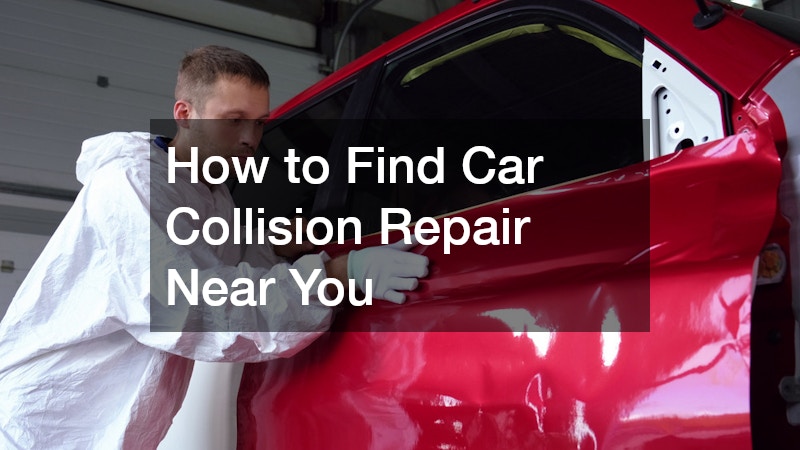
Getting into an auto accident is stressful enough without the added headache of trying to locate a trustworthy body shop. Modern vehicles are complex machines built with sophisticated crumple zones, high-strength aluminum, lightweight composite panels, and integrated computer sensors.
Selecting an inexperienced body shop can result in mismatched paint finish, hidden structural alignment flaws, or miscalibrated safety systems. Knowing how to evaluate and select a reliable facility for car collision repair ensures your vehicle is restored safely, correctly, and on time.
Here is a practical guide to finding and choosing a dependable collision repair specialist near you.
1. Look for Industry Certifications and OEM Credentials
Vehicle technology changes rapidly, making ongoing technical training essential for proper repairs. When searching for local shops, look for independent certifications that verify professional competence:
-
I-CAR Gold Class®: Considered the benchmark for collision repair excellence. Gold Class shops require continuous, annual training for estimators, structural, non-structural, and refinish technicians to stay updated on modern vehicle designs.
-
ASE Certification (National Institute for Automotive Service Excellence): Confirms individual technicians have passed rigorous national exams in frame straightening, body repair, electrical work, and mechanical systems.
-
OEM (Original Equipment Manufacturer) Certifications: Many automakers (such as Ford, Honda, or BMW) certify specific body shops that invest in factory-approved frame benches, spot welders, and genuine structural replacement parts.
2. Know Your Legal Right to Choose Your Shop
After an accident, your auto insurance company will likely offer a list of “preferred” or “direct repair program” (DRP) shops. While these shops offer streamlined billing, you have the legal right to choose any certified collision repair facility you trust.
|
Shop Type |
Key Pros |
Potential Considerations |
|
Insurance Preferred (DRP) Shops |
Pre-approved estimates, direct insurance billing, faster initial intake |
May face pressure from insurers to use non-OEM parts to reduce costs |
|
Independent / OEM-Certified Shops |
Direct loyalty to you, strictly adheres to factory repair procedures |
May require manual reimbursement or initial out-of-pocket coordination |
A reputable independent shop acts as your advocate, negotiating directly with your insurance adjuster to ensure your car receives proper structural repairs and factory-approved components rather than lower-grade substitutes.
3. Understand the Repair Process: “Teardowns” and “Supplements”
Many car owners are surprised when a collision repair shop gives them an initial estimate, only to contact them later with a higher price tag or longer timeline. Understanding how estimates work helps set realistic expectations:
-
Initial Visual Estimate: Technicians write a initial quote based strictly on visible exterior damage (dented bumpers, broken headlights).
-
Vehicle Disassembly (Teardown): The technicians dismantle damaged body panels to inspect the unibody frame, suspension mounts, and wiring harnesses hidden underneath.
-
Supplemental Claim: It is standard practice for a shop to issue a “supplement” to your insurance company if teardown reveals hidden mechanical or structural damage.
Ask prospective shops how they handle the teardown and supplement process to avoid unexpected delays.
4. Verify ADAS Calibration Capabilities
Nearly all vehicles built in recent years are equipped with Advanced Driver Assistance Systems (ADAS)—including automatic emergency braking, blind-spot monitoring, lane-assist cameras, and adaptive cruise control.
Even a minor fender bender can dislodge or misalign the delicate radar and optical sensors hidden behind your bumpers and windshield. When evaluating a car collision repair shop, ask explicitly:
-
Do you perform pre- and post-repair diagnostic scans to catch electronic codes?
-
Do you calibrate ADAS sensors in-house with target systems, or do you subcontract to a dealership?
A shop that skips electronic diagnostic scans risks returning a vehicle with non-functional active safety features.
5. Ask About Warranties and Material Quality
A confident collision shop stands behind its structural work and paint refinishing. Before committing to a repair plan, ask about their warranty coverage and parts sourcing:
-
Lifetime Workmanship Warranty: Top-tier collision shops offer a written lifetime warranty covering labor, paint blending, and frame alignment for as long as you own the vehicle.
-
Paint Matching Technology: Ask if the shop uses computerized paint-mixing systems and down-draft paint booths to match factory clear-coat textures and colors flawlessly.
-
Parts Transparency: Review the estimate to see if the shop specifies OEM (Original Equipment Manufacturer), OPT OEM, or Aftermarket components.
6. Evaluate Transparency and Customer Reviews
When searching for local options, examine online feedback on platforms like Google, Carwise, or the Better Business Bureau. Focus on how reviewers talk about communication during long repair cycles.
When visiting a shop for an initial estimate, pay attention to the environment. Is the front office organized? Does the estimator take the time to walk around your vehicle, explain the disassembly process, and outline a realistic timeline for parts delivery? Clear communication upfront is a strong indicator of a smooth repair process.
Final Thoughts
Dealing with auto damage after an accident is never pleasant, but finding the right facility for car collision repair restores both your vehicle and your peace of mind. By prioritizing certified shops (such as I-CAR Gold Class), insisting on ADAS calibrations, and understanding your legal right to choose your repair facility, you ensure your car is returned to factory safety standards.
Getting into an auto accident is stressful enough without the added headache of trying to locate a trustworthy body shop. Modern vehicles are complex machines built with sophisticated crumple zones, high-strength aluminum, lightweight composite panels, and integrated computer sensors.
Selecting an inexperienced body shop can result in mismatched paint finish, hidden structural alignment flaws, or miscalibrated safety systems. Knowing how to evaluate and select a reliable facility for car collision repair ensures your vehicle is restored safely, correctly, and on time.
Here is a practical guide to finding and choosing a dependable collision repair specialist near you.
1. Look for Industry Certifications and OEM Credentials
Vehicle technology changes rapidly, making ongoing technical training essential for proper repairs. When searching for local shops, look for independent certifications that verify professional competence:
-
I-CAR Gold Class®: Considered the benchmark for collision repair excellence. Gold Class shops require continuous, annual training for estimators, structural, non-structural, and refinish technicians to stay updated on modern vehicle designs.
-
ASE Certification (National Institute for Automotive Service Excellence): Confirms individual technicians have passed rigorous national exams in frame straightening, body repair, electrical work, and mechanical systems.
-
OEM (Original Equipment Manufacturer) Certifications: Many automakers (such as Ford, Honda, or BMW) certify specific body shops that invest in factory-approved frame benches, spot welders, and genuine structural replacement parts.
2. Know Your Legal Right to Choose Your Shop
After an accident, your auto insurance company will likely offer a list of “preferred” or “direct repair program” (DRP) shops. While these shops offer streamlined billing, you have the legal right to choose any certified collision repair facility you trust.
|
Shop Type |
Key Pros |
Potential Considerations |
|
Insurance Preferred (DRP) Shops |
Pre-approved estimates, direct insurance billing, faster initial intake |
May face pressure from insurers to use non-OEM parts to reduce costs |
|
Independent / OEM-Certified Shops |
Direct loyalty to you, strictly adheres to factory repair procedures |
May require manual reimbursement or initial out-of-pocket coordination |
A reputable independent shop acts as your advocate, negotiating directly with your insurance adjuster to ensure your car receives proper structural repairs and factory-approved components rather than lower-grade substitutes.
3. Understand the Repair Process: “Teardowns” and “Supplements”
Many car owners are surprised when a collision repair shop gives them an initial estimate, only to contact them later with a higher price tag or longer timeline. Understanding how estimates work helps set realistic expectations:
-
Initial Visual Estimate: Technicians write a initial quote based strictly on visible exterior damage (dented bumpers, broken headlights).
-
Vehicle Disassembly (Teardown): The technicians dismantle damaged body panels to inspect the unibody frame, suspension mounts, and wiring harnesses hidden underneath.
-
Supplemental Claim: It is standard practice for a shop to issue a “supplement” to your insurance company if teardown reveals hidden mechanical or structural damage.
Ask prospective shops how they handle the teardown and supplement process to avoid unexpected delays.
4. Verify ADAS Calibration Capabilities
Nearly all vehicles built in recent years are equipped with Advanced Driver Assistance Systems (ADAS)—including automatic emergency braking, blind-spot monitoring, lane-assist cameras, and adaptive cruise control.
Even a minor fender bender can dislodge or misalign the delicate radar and optical sensors hidden behind your bumpers and windshield. When evaluating a car collision repair shop, ask explicitly:
-
Do you perform pre- and post-repair diagnostic scans to catch electronic codes?
-
Do you calibrate ADAS sensors in-house with target systems, or do you subcontract to a dealership?
A shop that skips electronic diagnostic scans risks returning a vehicle with non-functional active safety features.
5. Ask About Warranties and Material Quality
A confident collision shop stands behind its structural work and paint refinishing. Before committing to a repair plan, ask about their warranty coverage and parts sourcing:
-
Lifetime Workmanship Warranty: Top-tier collision shops offer a written lifetime warranty covering labor, paint blending, and frame alignment for as long as you own the vehicle.
-
Paint Matching Technology: Ask if the shop uses computerized paint-mixing systems and down-draft paint booths to match factory clear-coat textures and colors flawlessly.
-
Parts Transparency: Review the estimate to see if the shop specifies OEM (Original Equipment Manufacturer), OPT OEM, or Aftermarket components.
6. Evaluate Transparency and Customer Reviews
When searching for local options, examine online feedback on platforms like Google, Carwise, or the Better Business Bureau. Focus on how reviewers talk about communication during long repair cycles.
When visiting a shop for an initial estimate, pay attention to the environment. Is the front office organized? Does the estimator take the time to walk around your vehicle, explain the disassembly process, and outline a realistic timeline for parts delivery? Clear communication upfront is a strong indicator of a smooth repair process.
Final Thoughts
Dealing with auto damage after an accident is never pleasant, but finding the right facility for car collision repair restores both your vehicle and your peace of mind. By prioritizing certified shops (such as I-CAR Gold Class), insisting on ADAS calibrations, and understanding your legal right to choose your repair facility, you ensure your car is returned to factory safety standards.