Electric vehicles (EVs) are becoming increasingly popular across the globe. With this surge in demand comes the need for efficient, safe, and cost-effective transportation of electric vehicle batteries. This article delves into the key questions and topics surrounding the shipment of EV batteries, providing insights and solutions to common challenges faced in the industry.
What are the key regulations for shipping electric vehicle batteries?
Shipping electric vehicle batteries involves a myriad of regulations designed to ensure the safety of transportation personnel and the general public. These regulations are often governed by various international standards, such as those set forth by the International Air Transport Association (IATA) and the International Maritime Dangerous Goods Code (IMDG).
These regulations dictate how batteries should be packaged, labeled, and documented. Electric vehicle battery storage requirements are particularly stringent, emphasizing containment and protection during transit. Adherence to these regulations not only ensures safe shipping but also helps in maintaining the integrity of the batteries being transported.
Additionally, national regulations play a crucial role in the shipment of EV batteries. For instance, in the United States, the Department of Transportation (DOT) enforces specific laws pertaining to the transport of lithium-ion batteries. These rules include guidelines on packaging materials that can sustain potential battery leaks and resist fire hazards. Transporters must be well-versed in navigating these regulatory frameworks to avoid legal implications and ensure smooth logistical operations. Comprehensive understanding and compliance with these guidelines safeguard the transportation network against unnecessary delays and risks.
How do transportation methods vary for different types of EV batteries?
Electric vehicle batteries come in various types, each requiring distinct transportation methods. The most common types include lithium-ion, solid-state, and nickel-metal hydride batteries, each presenting unique challenges in shipment. Lithium-ion batteries, due to their energy density, are often shipped with more stringent safety measures, especially when transported by air. These batteries must be contained in specialized packaging designed to withstand potential thermal events. This necessitates an investment in robust packaging solutions that can adapt to different battery sizes and designs.
On the other hand, solid-state batteries, while still emerging, are touted for their enhanced safety profile compared to lithium-ion counterparts. However, their transportation demands are not to be underestimated. They also require specialized packaging to protect against mechanical shocks and extreme temperature fluctuations during transit. As their use in mainstream applications increases, tailored logistics strategies that address their unique characteristics will become essential. By anticipating these needs, the industry can better prepare for a shift towards next-generation battery technologies.
Transportation methods also vary based on the end destination and the transportation mode, such as air, land, or sea. Each mode of transport imposes different restrictions and regulations, which must be accounted for during logistical planning. For example, sea transport might pose challenges related to humidity and salt corrosion, whereas air transport imposes restrictions on weight and temperature controls. A nuanced understanding of these factors enables efficient logistics planning, ensuring that batteries arrive at their destination safely and in optimal condition.
What safety measures are essential when shipping EV batteries?
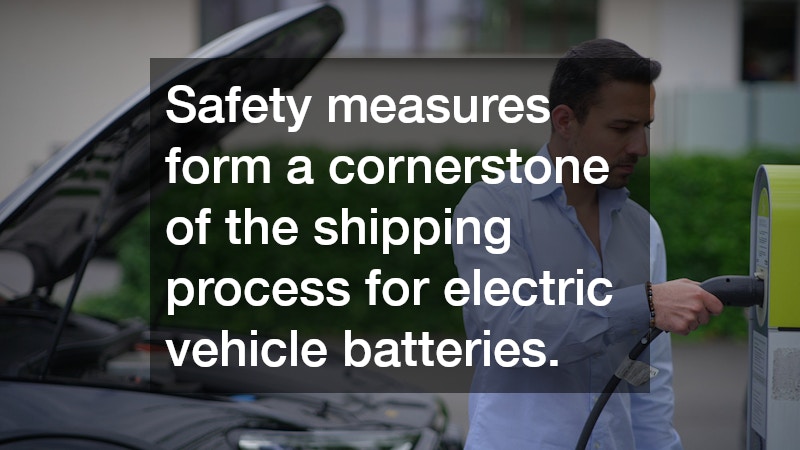
Safety measures form a cornerstone of the shipping process for electric vehicle batteries. A key aspect is the implementation of sophisticated packaging solutions that mitigate the risks of thermal runaway, a primary concern with lithium-ion batteries. Americase, for example, has innovated in this area by developing versatile packaging capable of accommodating various battery sizes and protecting them during transit. This adaptability not only ensures the safe transport of current battery models but also anticipates future needs as technology advances. Such innovations highlight the industry’s readiness to adapt to evolving safety demands.
Fire prevention and management protocols are also critical components of safe battery shipment. Shipping operators must be equipped with fire suppression equipment and have clear emergency response procedures in place. Personnel training is vital to ensure that all team members are prepared to handle potential incidents rapidly and effectively. By preemptively addressing these risks, the industry enhances the overall safety of battery shipments. These proactive measures contribute significantly towards reducing the probability of accidents during transport.
How does temperature impact the logistics of shipping EV batteries?
Temperature control is critical in the logistics of shipping electric vehicle batteries. Extreme temperatures, whether hot or cold, can significantly impact battery chemistry, potentially leading to performance degradation or hazardous conditions. Maintaining an optimal temperature range during transit is imperative to preserving battery integrity and ensuring safety. Specialized temperature-controlled shipping containers and vehicles help in achieving and maintaining these conditions. Such measures become particularly crucial when transporting batteries across regions with variable climates.
Cold temperatures can reduce the efficiency and capacity of lithium-ion batteries, making them less viable for immediate use upon arrival. Conversely, exposure to high temperatures can accelerate aging and initiate thermal runaway, posing severe safety risks. This necessitates the continuous tracking and modulation of temperature throughout the shipping journey. Advanced thermal management systems have been developed to address these challenges, integrating active cooling or heating elements to maintain stable conditions. These technologies are pivotal in ensuring that batteries remain functional and safe.
The logistics industry has increasingly explored the use of phase change materials (PCMs) and advanced insulation techniques to optimize thermal control. These materials can absorb, store, and release thermal energy, thus maintaining a stable shipping environment. By leveraging such innovations, logistics providers can proactively counteract the effects of temperature fluctuations. In doing so, they safeguard the health and functionality of the batteries, ensuring they reach their destination ready for deployment. Ultimately, advanced temperature management is essential for the reliable and efficient transportation of electric vehicle batteries globally.
The shipping of electric vehicle batteries presents unique challenges and requires a comprehensive understanding of regulations, transportation methods, safety measures, temperature considerations, and cost factors. By addressing these key areas, stakeholders can ensure the efficient and safe transport of EV batteries, paving the way for a more sustainable future in the automotive industry.