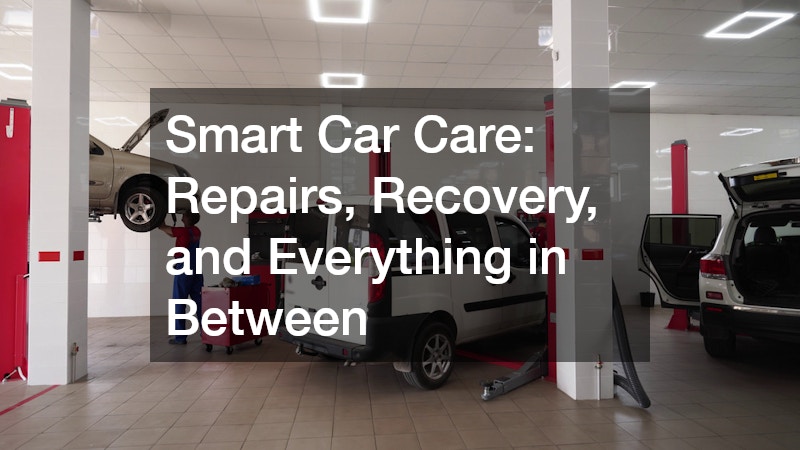
Owning a car brings freedom and convenience, but it also comes with responsibility. From unexpected breakdowns to routine upkeep, knowing how to properly care for your vehicle can save you time, money, and stress. Many drivers only react when something goes wrong, but the smartest approach is proactive—understanding what to do in every situation before it happens.
Whether you’re dealing with an emergency on the side of the road, evaluating repair estimates, or simply trying to keep your vehicle in top condition, you’ll find practical, actionable advice here. Think of this as your go-to resource for making confident, informed decisions every step of the way.
What to Do Immediately When Something Goes Wrong on the Road

When your car suddenly breaks down or starts acting up, your first priority is safety. Panic can make a stressful situation worse, so having a clear plan makes all the difference.
Pull Over Safely and Assess the Situation
- Turn on your hazard lights immediately
- Move to the shoulder or a safe nearby area
- Avoid stopping on curves or hills where visibility is limited
- If possible, park away from traffic and stay inside the vehicle
Once you’re safe, try to identify the issue. Is it a flat tire, overheating engine, or something unfamiliar? Even a basic understanding helps you communicate clearly when seeking help.
Keep an Emergency Kit in Your Car
Every driver should have:
- Jumper cables
- Flashlight with extra batteries
- First aid kit
- Tire pressure gauge
- Portable phone charger
- Reflective triangles or flares
- Basic tools
These items can turn a stressful situation into a manageable one.
Know When to Call for Help
There are times when it’s best not to attempt a fix yourself. If your car won’t start, you’re stuck in traffic, or conditions are unsafe, calling for roadside assistance is the smartest move.
Stay Safe While Waiting
- Remain inside your vehicle if you’re on a busy road
- Keep doors locked
- Share your location with a friend or family member
- Be cautious when accepting help from strangers
Document the Situation
If your issue involves damage or an accident:
- Take photos of your vehicle and surroundings
- Note the time and location
- Record any warning lights or unusual behavior
This documentation can be valuable for insurance claims and repair diagnostics.
How to Choose the Right Shop Without Getting Overcharged
Finding a reliable mechanic is one of the most important parts of car ownership. Not all shops operate the same way, so knowing what to look for helps you avoid unnecessary costs and frustration.
Look for Signs of a Trustworthy Shop
- Certifications such as ASE (Automotive Service Excellence)
- Positive online reviews with detailed feedback
- Clean and organized workspace
- Transparent pricing and written estimates
A reputable shop will take the time to explain issues clearly and answer your questions without pressure.
Ask the Right Questions Before Approving Work
- What exactly is wrong with the vehicle?
- What are my repair options?
- How urgent is this issue?
- What will happen if I delay the repair?
- Are parts new, used, or refurbished?
Understanding the scope of the work helps you make informed decisions about any auto repair.
Understand Specialty Services
If you drive a luxury or imported vehicle, working with a shop that specializes in European auto repair can make a significant difference. These vehicles often require specific tools, parts, and expertise.
Watch for Red Flags
- Vague explanations or unwillingness to show damaged parts
- Pressure to approve repairs immediately
- Estimates that change significantly without explanation
- Lack of documentation
Compare Estimates Smartly
Don’t just look at the total cost. Break down:
- Labor charges
- Parts pricing
- Warranty coverage
This helps you compare value, not just price.
What to Check Before Approving Any Major Repair Work
Major repairs can be expensive, and once you approve the work, you’re committed. That’s why it’s so important to slow down and fully understand what you’re agreeing to before moving forward. A few extra minutes asking the right questions can save you hundreds—or even thousands—of dollars.
Review the Diagnostic Report Carefully
Before saying yes to any repair, make sure you truly understand the diagnosis—not just the fix being recommended. Ask the technician to explain what caused the issue, why the proposed repair is necessary, and whether any related parts may also be affected.
It’s also helpful to clarify how certain the diagnosis is. In some cases, a shop is addressing a confirmed failure. In others, they may be starting with the most likely cause based on symptoms, which could lead to additional work if the issue isn’t fully resolved. A trustworthy technician will be upfront about that.
Don’t hesitate to ask for proof. Many reputable shops will show you the damaged part or provide photos or videos. If you can see the problem, it becomes much easier to feel confident in the solution.
Get a Second Opinion
If the repair cost is high, getting a second opinion is one of the smartest steps you can take. Different shops may approach the same issue in different ways, and pricing can vary more than most people expect.
This becomes even more important with vehicles that require foreign auto repair, where specialized knowledge plays a big role. A shop that regularly works on those vehicles may offer a more accurate diagnosis or a more efficient solution.
Even if both shops agree, you gain peace of mind knowing you’re making the right call. And if they don’t, you’ve potentially avoided unnecessary work.
Evaluate Cost vs. Value
Not every repair makes financial sense, especially if your vehicle is older or already showing signs of wear. Take a step back and consider how the cost of the repair compares to the overall value of your car.
Think about whether the repair will meaningfully extend the life of the vehicle or if it’s just one of many issues that are starting to add up. If you’ve been dealing with frequent breakdowns or mounting repair bills, it may be worth considering whether that money would be better put toward a replacement.
At the same time, a well-timed repair can often give you years of additional use. The key is looking at the bigger picture, not just the immediate problem.
Prioritize Repairs Strategically
Not everything needs to be fixed at once. A good shop should help you understand what’s urgent and what can wait so you can make decisions based on both safety and budget.
Safety-related issues—like brakes, steering, or anything that affects control of the vehicle—should always come first. Performance issues, such as engine or cooling problems, are important but may not always require immediate attention. Cosmetic concerns, on the other hand, can usually be addressed later without affecting how the car drives.
By separating repairs into priorities, you can avoid feeling overwhelmed and create a plan that makes sense for your situation.
Understand Warranties and Guarantees
Before approving any work, take a moment to understand what’s covered if something doesn’t go as expected. Ask whether both parts and labor are included, how long the coverage lasts, and what limitations might apply.
Always request warranty details in writing. This gives you protection if you need follow-up service and ensures there are no misunderstandings later on.
It’s also worth asking whether the shop stands behind their workmanship. A strong warranty is often a sign that they’re confident in the quality of their repairs.
Take Your Time and Stay in Control
Unless you’re dealing with an immediate safety issue, there’s rarely a need to rush into a decision. Take the time to ask questions, compare options, and make sure everything makes sense before moving forward.
A reputable shop will respect that. If you ever feel pressured or unsure, that’s a sign to pause and reassess. The goal isn’t just to fix the problem—it’s to make a decision you feel confident about long after you leave the shop.
Handling Accidents the Smart Way From Scene to Shop

Accidents can be overwhelming, but knowing what to do helps you stay in control of the situation.
Immediate Steps After a Collision
- Check for injuries and call emergency services if needed
- Move vehicles out of traffic if possible
- Turn on hazard lights
Gather Essential Information
- Driver names and contact details
- Insurance information
- Vehicle descriptions and license plates
- Photos of damage and surroundings
Choose the Right Repair Professional
Selecting an experienced auto body repair professional ensures your vehicle is restored safely and correctly.
Understand Repair Types
- Cosmetic fixes (paint, dents, scratches)
- Structural repairs (frame alignment, safety systems)
Auto collision repair often involves both, so it’s important to choose a shop with the right capabilities.
Work Effectively with Insurance
- Get a copy of the adjuster’s report
- Don’t feel pressured to use a specific shop
- Ask questions about coverage and limitations
Don’t Ignore These Small Issues That Turn Into Expensive Problems

Minor problems can quickly become major expenses if left unaddressed.
Fix Chips and Cracks Early
Small cracks in your windshield can spread rapidly. Prompt auto glass repair prevents:
- Reduced visibility
- Structural weakness
- More expensive replacements
Watch for Alignment Issues
Common signs you need a wheel alignment include:
- Vehicle pulling to one side
- Uneven tire wear
- Steering wheel not centered
Understand the Impact of Misalignment
- Reduced fuel efficiency
- Faster tire wear
- Increased strain on suspension components
Perform Monthly Checks
- Tire pressure
- Fluid levels
- Lights and signals
- Windshield condition
Act Early to Save Money
Addressing small issues early can prevent costly repairs down the line.
Keeping Your Car Looking New Without Wasting Money
Maintaining your car’s appearance not only improves its look but also protects its value.
Know What Professional Services Offer
Professional car detailers go beyond a basic wash. Services often include:
- Deep interior cleaning
- Paint correction
- Protective coatings
- Odor removal
Decide Between DIY and Professional Care
DIY is great for maintenance, but professionals are ideal for:
- Stain removal
- Paint restoration
- Long-term protection
Protect Your Interior and Comfort
Auto window tinting offers several benefits:
- Reduces heat inside the vehicle
- Protects interior materials from UV damage
- Enhances privacy
Create a Cleaning Schedule
- Weekly: basic wash
- Monthly: interior cleaning
- Quarterly: waxing or sealant
- Annually: deep detailing
Build Good Habits
- Avoid eating in the car
- Clean spills immediately
- Park in shaded or covered areas
Building a Preventative Maintenance Routine That Actually Works
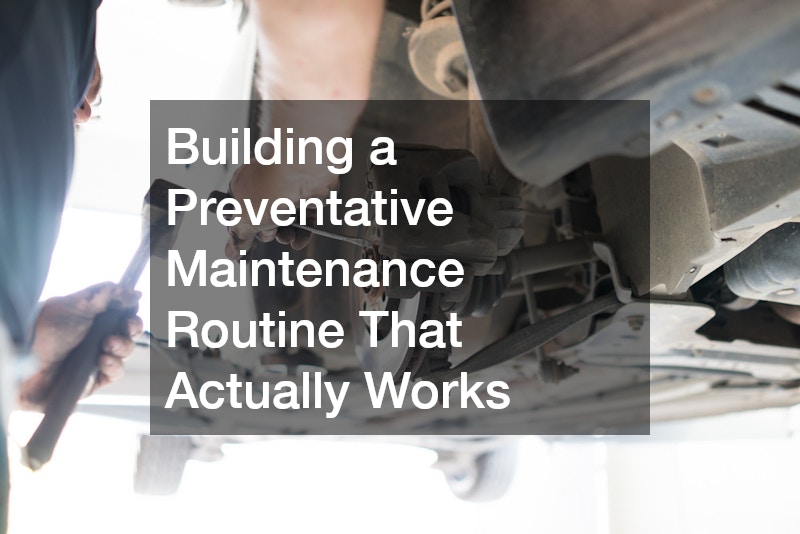
Preventative care is the foundation of smart car ownership.
Create a Simple Schedule
Break maintenance into manageable intervals:
- Monthly: inspections and fluid checks
- Quarterly: tire rotation and filter checks
- Yearly: full inspection and servicing
Track Your Maintenance
Use:
- A notebook
- A mobile app
- Service receipts
Keeping records helps you stay organized and increases resale value.
Focus on High-Impact Areas
- Oil changes
- Brake inspections
- Tire health
- Battery condition
Prevent Costly Repairs
Consistent auto repair maintenance helps catch problems early before they escalate.
Budget for Maintenance
Set aside a small monthly amount to cover routine care and unexpected issues.
How to Save Money Without Cutting Corners on Car Care
Saving money doesn’t mean sacrificing quality—it means making smarter decisions.
Know When Aftermarket Parts Are Okay
- Suitable for non-critical components
- Often more affordable
- May offer similar performance
Choose Specialists When Needed
For certain vehicles, especially imports, working with experts in European auto repair or foreign auto repair can save money long-term by avoiding incorrect fixes.
Bundle Services
Combining multiple services in one visit can reduce labor costs.
Use Warranties and Records
- Keep track of past work
- Take advantage of warranties
- Avoid paying twice for the same issue
Compare Pricing Strategically
Focus on value, not just the lowest price.
Creating Your Go-To “Car Care Team” for Peace of Mind
Having a reliable network of professionals makes car ownership far less stressful.
Build Your List of Trusted Providers
Your team should include:
- A mechanic
- A towing provider
- A body shop
- A detailing service
Vet Providers Carefully
- Read reviews
- Ask for recommendations
- Test with smaller jobs first
Know Who to Call and When
In urgent situations, roadside assistance is often your first call. For long-term repairs, your trusted shop should be your go-to.
Develop Long-Term Relationships
Working consistently with the same auto body repair professional builds trust and often leads to better service and pricing.
Stay Organized
Keep contact information easily accessible so you’re prepared in any situation.
Taking Care of Your Car Doesn’t Have to Be Overwhelming
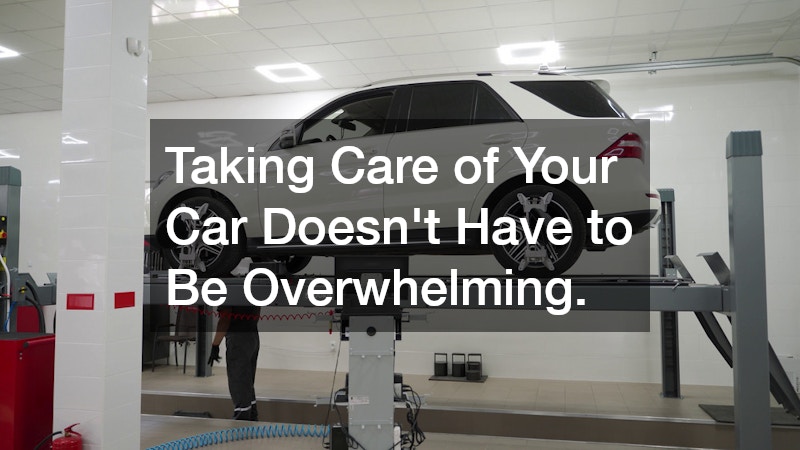
With the right knowledge and a proactive approach, you can handle unexpected situations with confidence and keep your vehicle running smoothly for years to come.
The key is consistency—small actions, regular maintenance, and informed decisions all add up. When you understand how to respond to problems, choose the right professionals, and stay ahead of potential issues, you’re not just maintaining your car—you’re protecting your investment and your peace of mind.
Start implementing even a few of these strategies today, and you’ll quickly see the difference in both performance and cost savings.